|
I started my career as a cinematographer shooting documentaries in a number of forms. But no matter the conditions or subject, I always tried to call forth as much photographic style and grace as I could muster in those low budget quickie productions. Even then I knew the value of raising the production bar to help enhance the stories we were telling. We tell stories with pictures, not always pretty, but always with a purpose. And there’s no better example of “purpose-driven” entertainment than the non-fiction format.
Films like Harlan County U.S.A., The Thin Blue Line, Hoop Dreams, and Brother’s Keeper, to name just a few that come to mind, changed lives – not just of those in the audience but everyone behind and in front of the camera. Did you know that three of those landmark documentaries were shot by Local 600 members, under conditions that would make most cinematographers run for the hills? And given the inherent staying power of documentaries, it’s ironic that the visual component is often at the bottom of a director, writer, or producer’s to-do list, given shorter shrift to just getting the subject(s) on-camera.
There might be an element of the “democratizing of cinema” going on here. When you can buy a consumer camera (or even a cell phone!) that deliver “decent-enough” image quality for a film festival, cable TV or even a limited theatrical run, why shouldn’t anyone with a compelling story “document” it as best as their budget allows? In fact, the films I mentioned above all did just that, and still presented a compelling visual treatment that never sold the photography short just to make sure they got their stories.
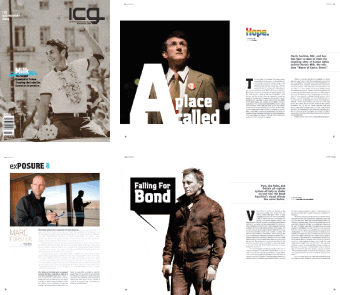
I would argue that high-quality cinematography and documentaries are far from mutually exclusive: our November issue, which focuses on non-fiction filmmaking, makes plain, some of the world’s best cinematographers started in docs and continue to thrive in the medium. I’m sure they will all tell you, as I have learned in my own experience, that compromise comes with the territory. And, perhaps, that’s all the more reason to treat the documentary format with the highest level of skill and purpose we can all muster.
Real life deserves the same level of care and passion behind the lens as the remarkable things often going on in front of the glass.
 |
Fraternally,
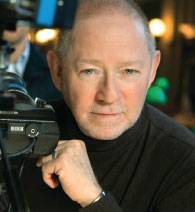
Steven Poster, ASC
National President
International Cinematographers Guild
Local 600 |
|